A Practical Guide to Choosing a Latex Mattress: Types, Comfort, and Care
An editorial exploration of latex mattresses — the Dunlop vs. Talalay debate, natural versus blended latex, and the care routines that keep a latex sleep surface vibrant. Drawing on timeless voices across eras, this guide weaves practical advice with storytelling so you can understand and choose with confidence.
In the lexicon of sleep, latex has long held a quiet authority. It is a material that refuses to shout yet endures, a latex core capable of delivering a balance of buoyant support and responsive comfort. Like the careful craft of a well-made suit or a finely tuned instrument, the best latex mattress harmonizes structure with adaptivity. This guide is designed to be a reliable compass for shoppers, homeowners, and curious readers who want to understand what makes latex tick — from core composition to home testing, and from longevity to daily care.
1) Core Types: Dunlop vs. Talalay, Natural vs. Blended Latex
Latex cores are not a monolith. The two most common production methods are Dunlop and Talalay, each offering a distinctive feel, durability profile, and price point. The choice between natural and blended latex further shades the decision, affecting everything from breathability to environmental footprint.
Dunlop Latex
Dunlop latex is poured into a mold and compacted from the bottom up. The result is a sturdier core with a slightly denser, more supportive feel. It is often prized for its durability and natural contouring properties, delivering a robust baseline that responds well to different body weights and sleep positions.
Feel: firmer to medium, with a steady, even support across the sleeping surface. Breathability tends to be strong due to the open-cell lattice structure, particularly in higher density formulations.
Talalay Latex
Talalay latex is flashed with air and flash-frozen in a way that yields a lighter, more uniform cell structure. The resulting surface is typically softer to the touch with a plush, buoyant response, offering more pronounced pressure relief at lighter firmness levels.
Feel: variation ranges from soft to medium, often delivering a more noticeable conforming feel and quicker rebound compared with Dunlop.
2) Natural vs. Blended Latex: What to Expect
The material’s origin matters as much as its production method. Natural latex is derived from rubber tree sap and is prized for its environmental advantages and chemical-free performance. Blended latex includes a portion of synthetic rubbers or other additives to alter feel and cost. The balance you choose affects breathability, resilience, and long-term performance.
Natural Latex
Purity matters. Natural latex tends to be more breathable, with a cooler surface and a calmer response under pressure. It’s often favored by sleepers seeking an eco-conscious option and a material that remains resilient for many years.
Care: natural latex is inherently resilient but benefits from regular rotation and adequate ventilation to prevent any long-term compression in high-use zones.
Blended Latex
Blended formulations mix natural latex with synthetic components to reduce cost and sometimes adjust the feel toward a softer or more uniform surface. Blends can offer excellent durability while maintaining an approachable price point.
Care: blended latex responds similarly to natural latex in terms of rotation and airflow; monitor for any changes in contour and support over time.
3) Matching Firmness to Sleep Style
Your preferred sleeping position and body weight guide the ideal firmness. Latex’s elastic quality helps the mattress adapt, but there is a baseline feel that works best for most people. Here is a practical shorthand to help you test at home:
- Back sleepers: seek a medium-firm surface that supports the natural curve of the lower back without creating pressure points at the shoulders or hips.
- Side sleepers: often benefit from a slightly softer feel to cushion the shoulders and hips, preventing misalignment.
- Stomach sleepers: generally fare better with a firmer surface to keep the spine aligned and prevent sagging at the hips.
To determine your ideal firmness in latex, perform a simple at-home test: lie on the mattress in your usual sleeping position for at least ten minutes, then note the ease of your body’s sinking, the level of contour across critical zones (shoulders, hips, lumbar area), and how quickly you feel back to neutral when you move.
4) Care and Longevity for Latex Mattresses
Latex is naturally resilient, but longevity is not guaranteed by virtue of being latex. The care routine is straightforward: ventilation, rotation, protection from moisture and stains, and mindful foundation support all contribute to a longer, healthier life for your mattress.
Ventilation and Airflow
Open-air exposure helps prevent heat build-up and moisture accumulation. Use breathable covers and allow the mattress to breathe in a well-ventilated room.
Tip: every few months, remove covers and let the core air out for a few hours, weather permitting.
Rotation and Support
Rotate every three to six months for the first couple of years, then annually. This promotes even wear across the surface and helps maintain consistent support.
Tip: ensure your foundation or bed frame supports the mattress evenly to avoid sagging or edge deformities.
5) Choosing a Latex Mattress: A Short Guide to Practical Evaluation
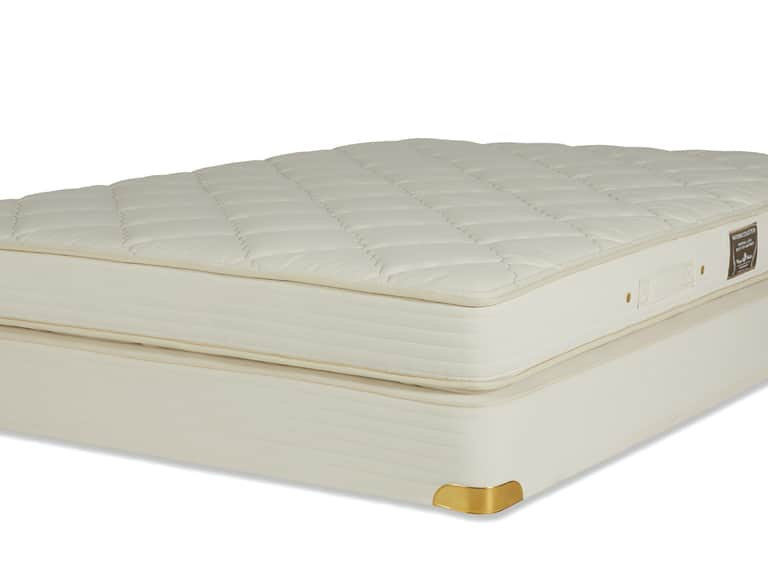
When shopping, beyond the raw feel, consider these practical factors: ventilation, durability, allergen safety, and the presence of any certifications. A couple of brands have built a strong reputation around latex construction, including models that emphasize modularity and customization.
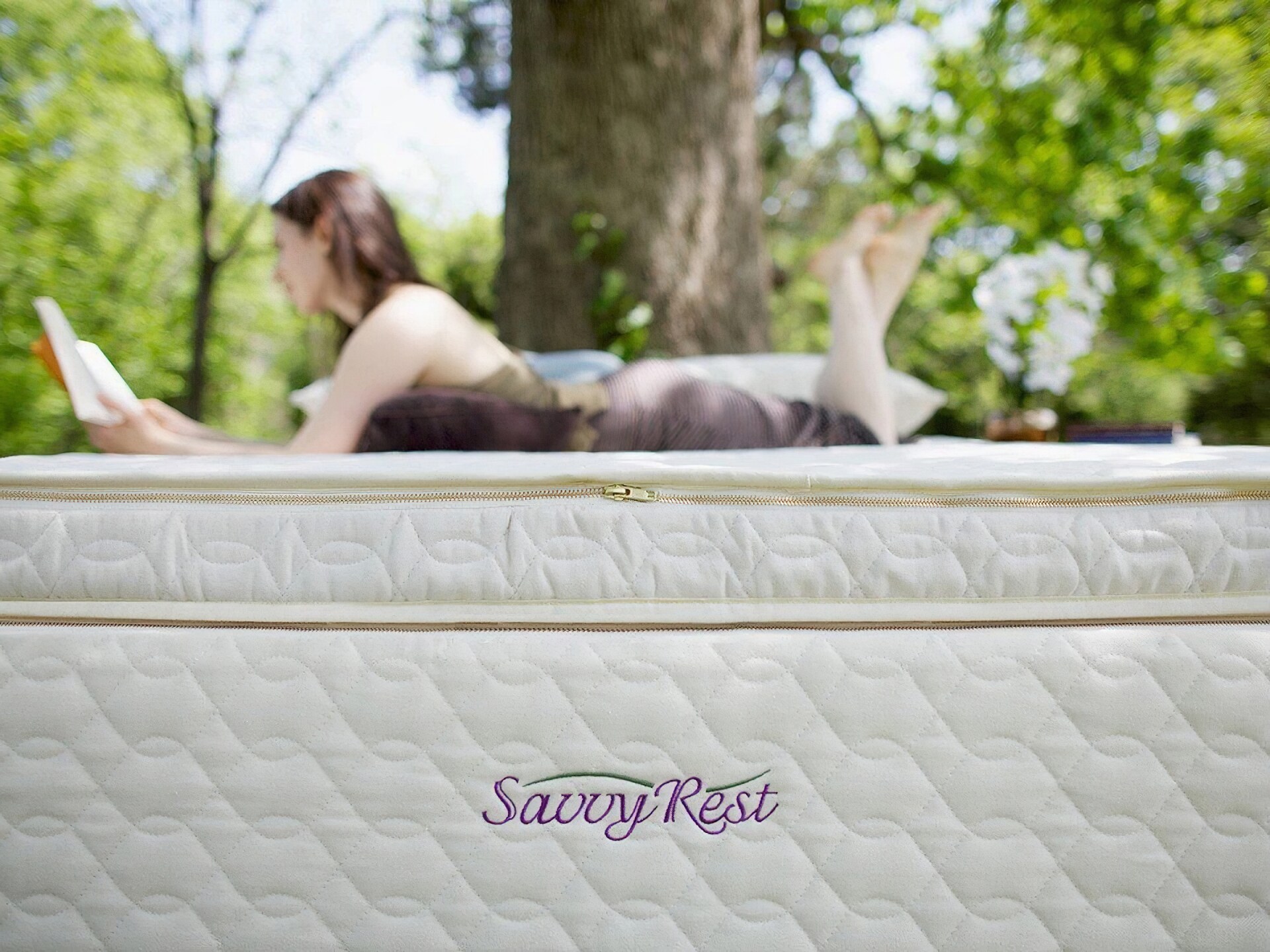
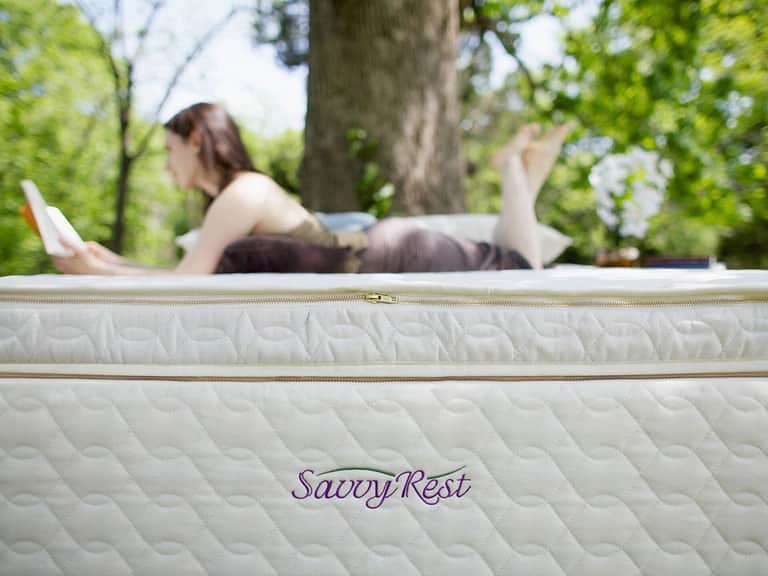
For demonstrative purposes, consider a well-regarded latex mattress with a pillowtop or topper component that can be customized to your preferred feel. The Unity Pillowtop Latex Mattress from Savvy Rest is a notable example of a layered latex approach that blends Dunlop and Talalay layers with a top comfort surface, offering a tailored experience for side sleepers who desire extra plush along the surface while maintaining stable support below.
Savvy Rest Unity Pillowtop Latex Mattress
A plush, layered latex mattress that uses four layers, including a Harmony latex topper, with an organic cotton outer shell. This model exemplifies how a pillowtop can deliver targeted surface softness without sacrificing the core support from Dunlop-based layers.
Price and availability vary by retailer. The product highlights durability, customization, and an emphasis on organic materials, aligning with the environmentally conscious dimensions of latex bedding.
6) A Brief Historical Echo: Voices Across Time
To anchor a modern purchase in broader human experience, consider three key voices from different periods who illuminate our understanding of comfort, material, and craft:
- Immanuel Kant (1724–1804) — While not a mattress designer, Kant’s insistence on the duty of care and rational organizing of experience offers a philosophical backbone to the idea of a sleep system that respects the body. In considering a latex mattress, one might reflect on how a well-ordered interior life requires sound sleep, and how materials that promote uninterrupted rest become instruments of moral clarity for the waking hours that follow.
- Charlotte Perkins Gilman (1860–1935) — A writer who explored domestic life with sharp eye, Gilman’s social essays remind us that the spaces we inhabit (beds, bedrooms, and the objects within them) are not merely functional but stage settings for dignity and wellbeing. Her insistence on practical, humane design resonates in the emphasis on simple, accessible care routines forlatex bedding.
- Robert A. Heinlein (1907–1988) — A speculative writer who loved tinkering with the edge of technology, Heinlein’s spirit mirrors the curiosity that drives us to interrogate materials, feel profiles, and test ideas in the real world. In the realm of latex mattresses, his legacy nudges readers toward a blend of skepticism and wonder: question what a core feels like, test what a topper adds, and insist on evidence when evaluating claims.
7) The UK Context: Packaging, Care, and Sustainability
For readers in the United Kingdom, the journey of a latex mattress is colored by packaging choices, transport logistics, and local care norms. A mattress in a compact rolled or boxed format remains a familiar packaging ritual, and the literature around packaging sustainability—recyclability of foams and protective casings, the life cycle of shipping materials, and the carbon footprint of a delivery—adds a practical dimension to decisions about how to unbox, ventilate, and refresh a sleeping environment.
8) Practical Takeaways for the Rolled Up Mattress Domain
- Emphasize clear explanations of latex properties: how Dunlop and Talalay differ in feel and durability, and how natural versus blended formulations alter performance and sustainability.
- Provide home-testing checklists: a short, non-salesy tester’s guide to evaluating latex feel, firmness, and pressure relief in an afternoon trial at home.
- Include care routines that readers can implement immediately: rotation schedules, ventilation steps, and stain-prevention tips that fit a busy household.
9) Final Reflection: A Thoughtful Path Forward
The domain rolledupmattress.co.uk invites a careful, educational stance. The thematic throughline — rolled formats, packaging realities, and the science of comfort — can be braided into a rich resource that informs without pressuring toward purchase. The right content architecture, with a steady cadence of evergreen articles, glossary entries, how-to guides, and a glossary of terms, can create a trusted space for readers who want to understand before they decide.
Glossary and FAQ (Starter)
- Latex: A natural or synthetic elastic material used in mattresses, derived from rubber tree sap in natural latex; used in Dunlop and Talalay processes.
- Dunlop: A latex-making process that yields a denser core with robust support.
- Talalay: A latex-making process known for a lighter, more uniform cell structure and often a softer feel.
- Blended Latex: Latex that blends natural latex with synthetic components to adjust feel and price.
- Firmness: A subjective feel that indicates how resistant the surface is to pressure; tested by sinking depth and perceived support.
Short FAQ (At a Glance)
- What is the difference between Dunlop and Talalay latex? Dunlop tends to be firmer and denser; Talalay is often softer with a more uniform cell structure.
- Is natural latex better than blended latex? Natural latex is environmentally friendly and breathable, while blends tend to be more affordable with varying feel.
- How often should I rotate a latex mattress? Generally every three to six months for the first two years, then annually, depending on usage.
If you’d like, I can provide a detailed content calendar for the first 12 weeks, or draft sample article outlines and a basic site map tailored to the rolled mattress concept for rollen up packaging education, care tips, and glossary expansion. And if you want to explore a direct product-focused feature, we can feature the Savvy Rest Unity Pillowtop Latex Mattress as a case study in modular latex configurations and customized surface feel, including its Dunlop core and Talalay topper, with a consumer-friendly unpacking and setup guide.
Selected Product Feature
Savvy Rest Unity Pillowtop Latex Mattress
A plush, four-layer latex construction that blends Dunlop and Talalay foundations with a top Harmony topper for personalized softness. The Unity Pillowtop provides a surface that side sleepers especially appreciate, while retaining durable support underneath.
Key features: Organic cotton cover, four-layer modular design, 13-inch height, customizable firmness on each side, 20-year warranty, and 90-day layer exchange option.
Note: Images are provided for product reference. All specifications and availability are subject to retailer variations. This article is intended to inform and educate without pressuring purchase decisions.