Bedding · A practical guide
Choosing Sheets for a Cooler, More Comfortable Bed
Sheets are the part of a bed we meet first and spend the night negotiating with: the crisp corner that comes loose, the fabric that feels cool at bedtime and warm by two in the morning, the pillowcase that somehow migrates. Choosing well is less a matter of finding a universally perfect fabric than of understanding how fibre, weave, fit and care shape the feel of your own bed.
There is a small domestic mystery in the word comfortable. A sheet can be soft but clammy, crisp but scratchy, wonderfully cool when the room is warm and oddly chilly on a winter morning. The label gives us a few clues—cotton, linen, percale, sateen—but the experience comes from several things working together: the fibre, the way it has been woven, the finish applied to it, the moisture and warmth in the room, and the sleeper beneath it.
For anyone who tends to sleep warm, breathable sheets are an appealing place to begin. But “breathable” is not a guarantee of a cool night, and no fabric can control every part of a sleep environment. A duvet, mattress, room temperature, nightwear and individual preferences all matter. Sheets can nonetheless influence how readily heat and moisture move near the skin, and how the bed feels during the first moments of settling in. The useful question is not simply, “Which sheets are coolest?” It is, “Which sheets feel comfortable to me, in the conditions I actually sleep in?”
Start with the fibre, not the promise
Fibre is the raw material. Weave is the structure made from it. That distinction is easy to lose in product descriptions, where a fibre name and a finish may appear together as if they were the same thing. Cotton percale, for example, describes cotton yarns arranged in a particular weave; linen describes a fibre usually made from flax. Both can be comfortable, but they do not feel identical, and neither label alone tells you everything about weight, finishing or quality.
Cotton: familiar, adaptable and varied
Cotton sheets are popular for good reason: they are widely available, come in many finishes, and are relatively straightforward to care for. Their feel depends on more than the word “cotton.” Yarn quality, weave, fabric weight and finishing can make one set smooth and substantial, another light and crisp. Cotton can absorb moisture, but that does not mean every cotton sheet will feel cool to every sleeper. A dense, heavy fabric may feel different from a lighter one, even when both use the same fibre.
Descriptions such as long-staple cotton refer to the length of the fibres used to make yarn. Longer fibres can contribute to smoother, stronger yarn, though the finished sheet still depends on construction and manufacturing. Thread count—the number of threads counted within a defined area—is sometimes treated as a shorthand for quality. It is not a reliable standalone measure of comfort. Extremely high counts may involve finer yarns or particular counting methods, and a high figure does not necessarily mean greater airflow, softness or durability. Look at the whole specification and, where possible, the return policy.
Linen: textured, airy and inclined to soften
Linen is made from flax and often has a relaxed, slightly irregular texture. It tends to feel less sleek than finely finished cotton, and many people like its easy, lived-in appearance. Linen is frequently chosen for warm weather because its construction and typical weight can make it feel airy. Yet linen is not automatically cooler: a heavy linen fabric, a warm room or a thick duvet can still leave a sleeper too hot.
New linen may feel firm or coarse compared with a familiar cotton sheet. It often softens with washing and use, though its character remains more textured than a smooth sateen. Creasing is part of the bargain. For some, the folds make a bed look inviting; for others, they seem like evidence that the laundry has resigned. Either response is a valid purchasing consideration.
Other fibres and blends
Bamboo-derived fabrics are commonly made from regenerated cellulose, often labelled viscose or rayon. Their smooth hand can appeal to people who prefer a silky surface. “Bamboo” on a label does not by itself establish that a sheet is more sustainable, cooler or better made; the fibre process, fabric construction and credible product information matter. Tencel™ is a brand name used for certain lyocell fibres. These fabrics may have a smooth feel and manage moisture differently from cotton, but personal comfort varies.
Polyester and cotton-polyester blends are often durable, easy to care for and less prone to creasing. Depending on their weight and finish, they may feel warmer or less absorbent than some natural-fibre alternatives. That is not a universal rule, but it is worth considering if you sleep hot or dislike a slick synthetic feel. In any category, a fabric sample, transparent specifications and a clear returns policy are more informative than a sweeping claim on a label.
Weave changes the feel
Two sheets made from cotton can feel strikingly different because weave affects the surface, drape and density of the cloth. The words most often encountered are percale and sateen. They are not separate fibres, nor a simple ranking from basic to luxurious. They describe different ways threads are interlaced.
Percale: the clean, crisp choice
Percale uses a straightforward, balanced weave that generally gives the fabric a matte appearance and a crisp hand. It is often a good option for people who dislike a slippery surface or prefer the feeling of a freshly laundered hotel sheet. Lightweight percale may feel airy, while a heavier version can feel more substantial. It may wrinkle, and some sets feel a little firm at first; washing and use can soften them.
Sateen: smooth and softly lustrous
Sateen uses a weave that brings more yarn to the surface, giving the fabric a smoother hand and a gentle sheen. It tends to drape more closely than percale and can feel soft from the beginning. Some sleepers find that smoothness especially comfortable; others prefer the cooler, drier touch of a crisp weave. Because sateen may be denser, it can feel warmer for some people, although the result depends on the particular fabric and the rest of the bedding.
Jersey and brushed finishes
Jersey is knitted rather than woven, so it stretches and feels much like a soft T-shirt. It is comfortable and forgiving to fit, but its cosy, flexible quality may be less appealing to someone seeking a crisp or cool surface. Brushed cotton is mechanically raised to produce a fuzzy softness. That can feel welcoming in a cold room and too warm in a warm one. These are useful examples of why “soft” and “cool” are not synonyms.
The case for a simple, practical comparison
When comparing breathable sheets, resist the temptation to choose from a single number or adjective. Put the features together. A warm sleeper who likes a crisp bed might try a lightweight cotton percale or a linen set. Someone who prefers a smooth, close drape may favour cotton sateen or a well-described regenerated-cellulose fabric. A person who feels cold at night may find brushed cotton more pleasant, especially when the room is cool. These are starting points, not prescriptions.
A quick comparison
- Cotton percale: crisp, matte and often a good fit for those who prefer a lighter, less slippery surface.
- Cotton sateen: smoother and more draped, with a soft sheen; it may feel warmer to some sleepers.
- Linen: textured and relaxed, with a distinct feel that often softens over time.
- Jersey: stretchy and T-shirt-like, usually chosen for softness rather than crispness.
- Brushed cotton: fuzzy and cosy, potentially welcome in cool conditions and less appealing in warm ones.
Fit is comfort, too
A sheet that slips off a mattress at night can make even a lovely fabric seem like a poor choice. Before ordering, check the mattress dimensions and the sheet’s stated size. UK bed names—single, double, king and super king—refer to standard dimensions, but mattresses can vary, and a name alone is not a measurement. Measure the mattress if you are unsure, especially if it is an unusual size or has a topper.
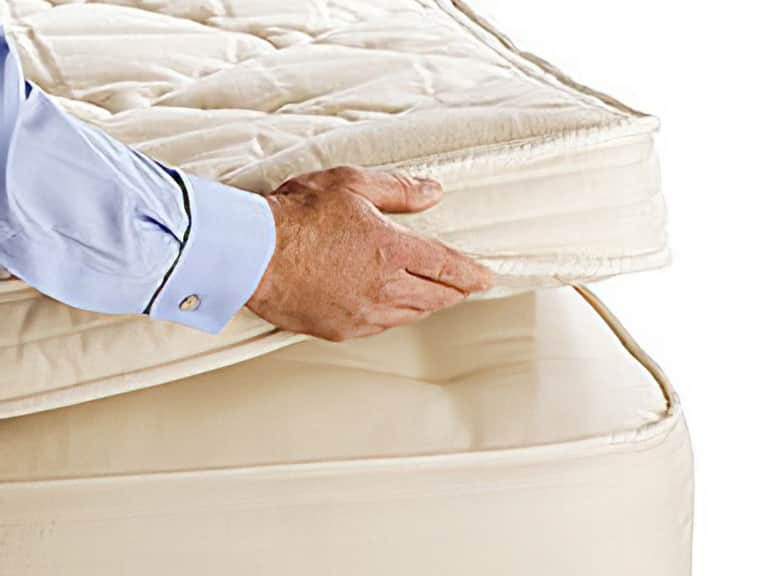
For a fitted sheet, pocket depth matters. Measure from the base of the mattress to the top of any topper you intend to keep beneath the sheet. The pocket must accommodate that combined height, with enough fabric to tuck securely underneath. Manufacturers may specify a maximum mattress depth, sometimes including a margin for tucking. Check how that measurement is defined rather than assuming all “deep fitted” sheets fit all deep mattresses.
Elastic also makes a difference. Elastic around the full perimeter can help a sheet stay in place, though mattress shape, fabric stretch and correct sizing still matter. If the sheet is too shallow, it may pop off at the corners; if it is far too large, it can bunch. Flat sheets avoid pocket-depth questions but require a little more attention when making the bed. Pillowcases, meanwhile, should match pillow dimensions closely enough to avoid excess fabric or compression.
For adjustable bases, split mattresses or unusually tall beds, read the manufacturer’s fit guidance carefully. A fitted sheet that works on a standard mattress may not accommodate every configuration. When purchasing online, confirm whether dimensions are given in centimetres or inches and whether the stated depth includes a topper.
Care that preserves the useful life of sheets
Care instructions are not decorative fine print. Hot washing, harsh detergents, over-drying and fabric softeners can affect colour, fibre strength and the feel of a fabric. Follow the label first: different fibres and finishes have different needs. A moderate wash with a suitable detergent is often enough for routine laundering, but the manufacturer’s directions take precedence.
Overloading the washing machine can keep sheets from rinsing and moving freely. Washing sheets with items that have zips, hooks or rough surfaces may cause snagging or abrasion. A cool or warm cycle, where permitted, can be gentler than a very hot one. If a sheet is heavily soiled or someone in the household has particular hygiene needs, use the temperature and procedure recommended for that circumstance and fabric.
Drying deserves similar restraint. Removing sheets while they are just dry, rather than leaving them to tumble long after the moisture is gone, can reduce unnecessary wear and creasing. Line drying may suit some households and fabrics, though direct strong sunlight can affect colour over time. Fabric softener can leave residues that change absorbency and surface feel; it is not essential, and some manufacturers advise against it. A clean, dry storage space helps sheets remain fresh between uses.
Rotate between sets if you have more than one. Regular rotation gives each set a chance to rest and makes it easier to notice thinning, loose elastic or seams beginning to fail. There is no need to turn bedding care into a complicated programme. Consistency and attention to the care label usually matter more than elaborate rituals.
A cooler bed is a system
Sheets are only one layer in the climate of a bed. A heavy duvet, waterproof mattress covering, dense mattress topper or warm nightwear can contribute more to a feeling of heat than the sheet alone. So can the room itself. If you often wake hot, consider the whole arrangement: bedding weight, ventilation, bedroom temperature and whether the mattress protector or duvet is appropriate for the season. Changing one layer at a time makes it easier to tell what helped.
People also differ in their comfort thresholds. The person who loves the cool touch of crisp cotton may find linen too textured; someone else may sleep happily beneath a soft, close-fitting sateen. The body’s response can change with the season, the room and ordinary variations in health or routine. There is no defect in preferring a warmer sheet, and no special virtue in sleeping cold.
Questions to ask before buying
- What surface do I enjoy? Crisp, smooth, stretchy, textured or brushed?
- Do I sleep warm or cold? Consider the duvet and room as well as the sheet.
- What is the fabric, and what is the weave? Look for specific information rather than relying on broad claims.
- Will it fit my mattress? Check width, length, pocket depth and any topper.
- Can I care for it easily? Read the wash and drying instructions before choosing.
- Can I return it if the feel is wrong? Policies vary, and bedding may have hygiene-related restrictions.
The comfort is in the details
Choosing sheets for a cooler, more comfortable bed does not require a hunt for a miracle fibre. It asks for a little attention to the difference between material and weave, to the hand of the fabric, and to the dimensions of the bed. Cotton percale, cotton sateen, linen, jersey and brushed cotton each offer a different experience. None can be declared best without knowing what the sleeper values.
Begin with the feeling you want when you climb into bed. Then check the practical details: construction, care, sizing and pocket depth. If possible, handle a fabric sample or buy from a retailer with clear specifications and fair return terms. The right set may not announce itself with a grand promise. It may simply stay in place, feel pleasant against the skin, and disappear from notice—which, at bedtime, is a considerable achievement.
Frequently asked questions
Are percale sheets cooler than sateen?
Many people experience percale as crisper and more airy, while sateen often feels smoother and more draped. The exact result depends on fabric weight, fibre, finishing and the rest of the bedding. Personal preference matters as much as the weave name.
Does a higher thread count mean better sheets?
Not necessarily. Thread count is only one specification and does not reliably predict softness, breathability or durability on its own. Consider fibre, yarn, weave, finish and care instructions together.
How do I choose the right fitted-sheet depth?
Measure the mattress from its base to the top surface, including any topper that will remain in place. Compare that total with the maker’s stated pocket depth and check whether the measurement includes extra fabric for tucking.
Can sheets alone stop me from overheating?
They can influence the bed’s feel, but they cannot determine the whole sleep climate. Duvet weight, mattress coverings, room conditions and sleepwear also contribute, so consider the full setup if heat is a recurring problem.