A mattress topper enhances comfort and support for a wide range of sleeping needs, providing an additional layer between the sleeper and the mattress. Materials such as latex, memory foam, or natural fibers influence firmness, temperature regulation, and pressure relief. This category emphasizes practical considerations like durability, care, and compatibility with existing bedding setups for improved nightly rest.
When evaluating toppers, key features include thickness, density, and cover material, all of which affect support and temperature management. Latex toppers offer natural bounce and resilience, while foam options can contour to body shape. Understanding these characteristics helps match a topper to preferred sleep posture, whether back, side, or stomach sleeping.
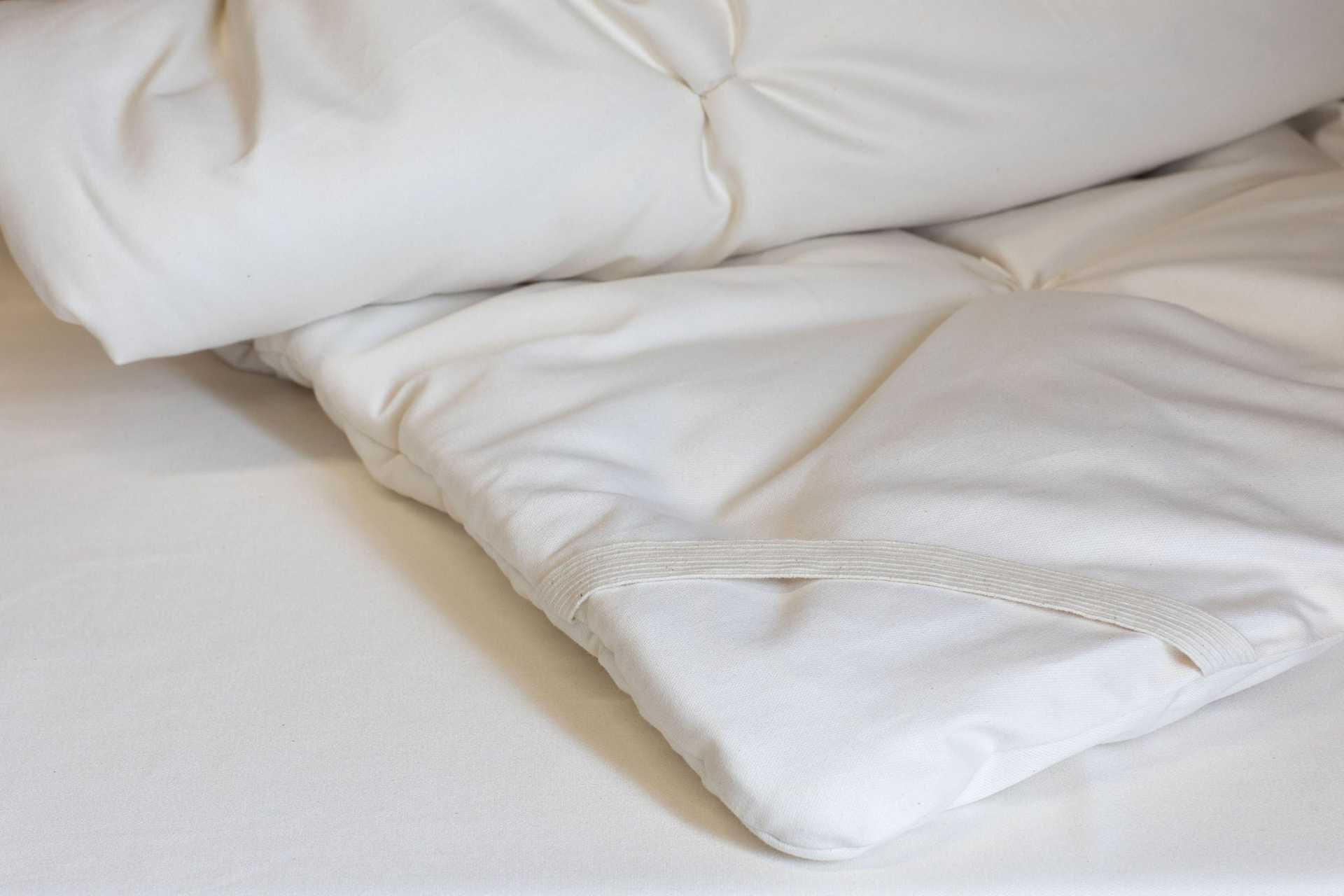
In this context, a Natural Child's Crib Mattress Topper exemplifies family-friendly design, prioritizing safety, breathability, and gentle cushioning. Such toppers may use organic or hypoallergenic materials, reducing exposure to irritants. For caregivers, considerations include washability, firmness suitable for infants, and transitions to toddler beds without compromising comfort.
Materials to consider include organic cotton covers, wool blends, and natural latex, each contributing to moisture management and temperature neutrality. A well-chosen topper can mitigate mattress wear, distribute pressure evenly, and extend the useful life of sleep surfaces. It also supports evolving sleep needs as children grow or adults adjust to different beds.
Overall, mattress toppers serve as an adaptable layer in bedding systems, aligning comfort, hygiene, and durability. By examining product features such as material composition, certifications, and care requirements, readers can assess long-term usability. This category also integrates broader bedding considerations like pillows, sheets, and organic mattresses within a cohesive sleep environment.
 Bedding